


Stop Googling Your Business: Google’s 2026 Changes Are Making SEO Rankings More Complicated
If you’ve ever Googled your own business, looked at where you ranked, and immediately texted your marketing team, this one’s for you.
Google search results have never been completely identical from person to person. Location, search history, device, and other factors have influenced what people see for years.
But new research following Google’s May 2026 Core Update suggests those differences have become much more significant.
And for business owners, it changes the way we need to talk about SEO.
The Search Results You See Aren’t Necessarily What Your Customers See
A recent analysis published by Sterling Sky looked at data from 8.16 million location-specific screenshots of Google search results.
The findings were pretty significant. According to the analysis, organic search rankings became 48.7% more volatile beginning the week of May 18, 2026, when Google’s May Core Update rolled out. Researchers found increased volatility in 97% of the reports they analyzed.
The biggest changes appeared in mobile organic results for searches containing a geographic term, such as “divorce lawyer Seattle.” Local Pack results were affected too, although not as dramatically.
For a local or regional business, that matters.
A customer sitting in one part of your market could search the exact same phrase as someone a few miles away and see a different order of results.
So when you Google your company and see yourself sitting at number two, number six, or nowhere on the first page, you’re looking at your search result at that moment.
You’re not necessarily seeing what the rest of your market sees.
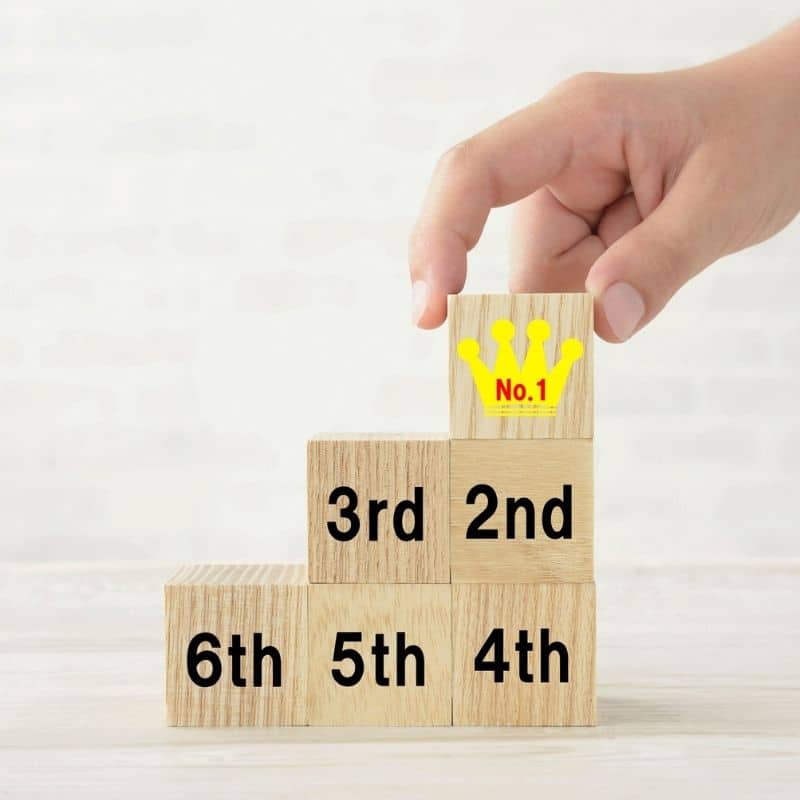
So, Is Ranking #1 Still the Goal?
We’d argue that it was never the right end goal.
Being visible in search matters. Absolutely.
But your business doesn’t make money because a ranking report says “Position 1.”
It makes money when someone finds you, visits your website, calls, fills out a form, schedules an appointment, requests a quote, or walks through your door.
That distinction is becoming even more important.
If search results are increasingly dynamic, obsessing over a single keyword position gives you an incomplete picture of whether your SEO strategy is actually working.
Start Looking at What Happens After the Search
This is where good reporting becomes incredibly important. Instead of asking:
“What position are we in?”
Start asking questions like:
Are more people finding our website through Google?
Which pages are bringing in qualified traffic?
Are those visitors becoming leads?
Which searches are generating phone calls?
Are we getting more business from organic search than we were six months ago?

Those answers tell you far more about the health of your marketing than searching your favorite keyword from your phone.
Call tracking, UTM tracking, website analytics, Google Business Profile data, conversion tracking, and lead attribution can help connect the dots.
It’s also one of the reasons we believe so strongly in giving business owners a clearer view of their data through tools like DASH.
You shouldn’t have to guess whether your marketing is working.
SEO Isn’t Dead. The Way We Measure It Is Changing.
Every major Google update seems to bring another round of “SEO is dead” headlines.
It isn’t.
People are still searching for businesses, products, services, and answers every day. Showing up when those searches happen remains incredibly valuable.
\What’s changing is our ability to reduce SEO success to one neat little ranking number.
A healthy SEO strategy should build visibility across the searches that matter to your business and ultimately contribute to qualified traffic, leads, and revenue.
That requires looking at trends over time rather than panicking over what happened to one keyword on Tuesday morning.
What Should Business Owners Do Now?
First, resist the urge to use your own Google search as an SEO report card. You can still Google your business. We know you’re going to. Just don’t make marketing decisions based on what you see in that one search.
Instead, make sure your marketing team is tracking the activity that connects search visibility to actual business results.
Look at performance over months and quarters rather than individual days. Pay attention to qualified website traffic and conversions. Know which pages generate calls and inquiries. Make sure your Google Business Profile activity is being tracked properly.
And most importantly, keep your attention on the metric that matters to your business:
Is your marketing bringing you more of the right customers?
That’s the question worth answering.
Let’s Take a Look at Your SEO
If you’re staring at Google rankings and wondering whether your SEO is actually working, we can help you get a clearer picture.
PUSH Design Group helps businesses connect SEO, website performance, lead tracking, and marketing data so decisions are based on what’s actually happening, not one Google search.
Let’s find out what your marketing is really doing.